ПРОПОЛИС: ПРИМЕНЕНИЕ В МЕДИЦИНЕ И ПИЩЕВОЙ ПРОМЫШЛЕННОСТИ
Article Sidebar

Это произведение доступно по лицензии Creative Commons «Attribution» («Атрибуция») 4.0 Всемирная.
Main Article Content
Аннотация:
Установлено, что прополис (пчелиный клей) представляет собой сложную многокомпонентную систему, обладающую выраженными антиоксидантными и плеотропными эффектами, востребованные в пищевых технологиях как мультифункциональный агент и консервант.
Article Details
Как цитировать:
Библиографические ссылки:
Pant, K., Sharma, A., Chopra, H. K., & Nanda, V. (2024). Impact of biodiversification on propolis composition, functionality, and application in foods as natural preservative: A review. Food Control, 155, 110097.
Martinotti, S., Bonsignore, G., & Ranzato, E. (2025). Propolis: A Natural Substance with Multifaceted Properties and Activities. International Journal of Molecular Sciences, 26(4), 1519.
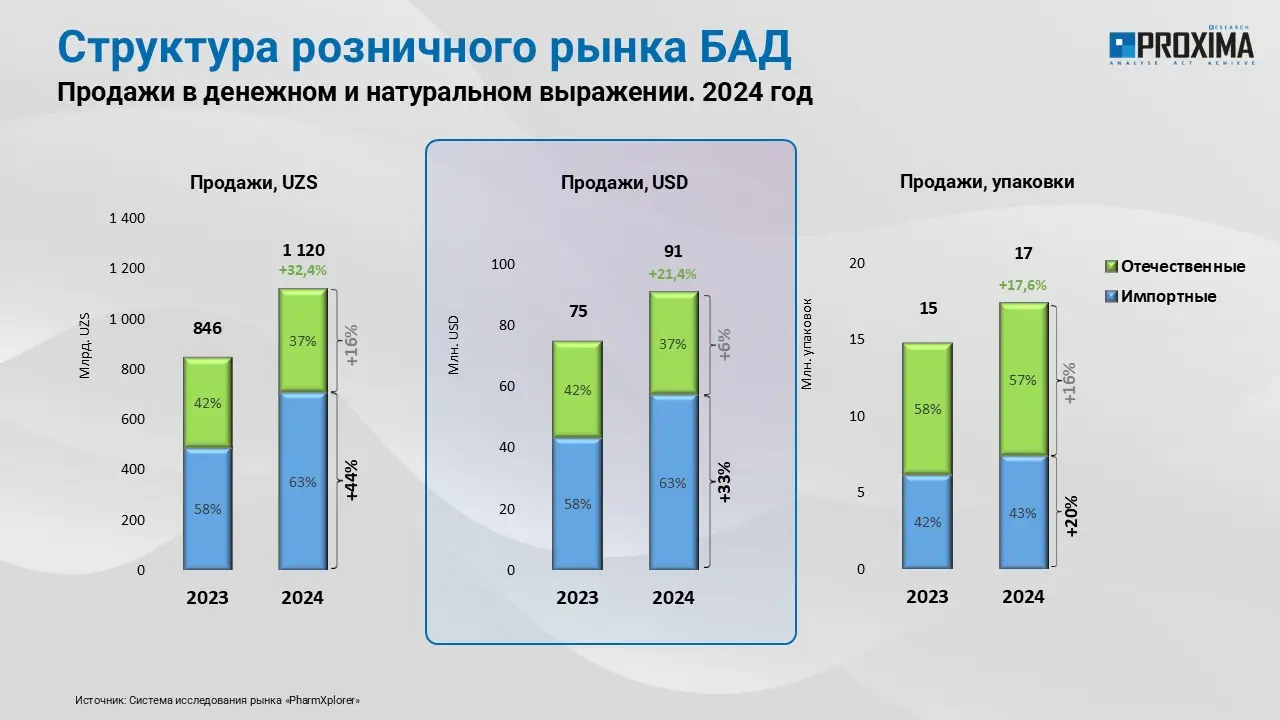
Polyclinic Journal. (2024). Dietary supplements in figures 2024 (September). Polyclinic (БАД в цифрах 2024 - Журнал Поликлиника). [Electronic resource].
Anjum, S. I., et al. (2019). Composition and functional properties of propolis (bee glue): A review. Saudi Journal of Biological Sciences, 26(7), 1695–1703.
Brätter, C., et al. (1999). Prophylactic effectiveness of propolis for immunostimulation: A clinical pilot study. Forschende Komplementarmedizin, 6(5), 256–260.
Zhao, L., et al. (2016). Brazilian Green Propolis Improves Antioxidant Function in Patients with Type 2 Diabetes Mellitus. International Journal of Environmental Research and Public Health, 13(5), 498.
Zakerkish, M., et al. (2019). The Effect of Iranian Propolis on Glucose Metabolism, Lipid Profile, Insulin Resistance, Renal Function and Inflammatory Biomarkers in Patients with Type 2 Diabetes Mellitus: A Randomized Double-Blind Clinical Trial. Scientific Reports, 9, 7289.
Seibert, J. B., et al. (2019). Development of propolis nanoemulsion with antioxidant and antimicrobial activity for use as a potential natural preservative. Food Chemistry, 287, 61–67.
Mujica, V., et al. (2017). The Role of Propolis in Oxidative Stress and Lipid Metabolism: A Randomized Controlled Trial. Evidence-Based Complementary and Alternative Medicine, 2017, 4272940.
Galeotti, F., et al. (2018). Chemical Composition and Antioxidant Activity of Propolis Prepared in Different Forms and in Different Solvents Useful for Finished Products. Foods, 7(3), 41.
Hsieh, C. Y., et al. (2019). Mechanistic insight into the attenuation of gouty inflammation by Taiwanese green propolis via inhibition of the NLRP3 inflammasome. Journal of Cellular Physiology, 234(4), 4081–4094.
Isidorov, V. A., et al. (2016). Selective behaviour of honeybees in acquiring European propolis plant precursors. Journal of Chemical Ecology, 42, 475–485.
Kasote, D., Bankova, V., & Viljoen, A. M. (2022). Propolis: Chemical diversity and challenges in quality control. Phytochemistry Reviews, 21(6), 1887–1911.
https://www.uzpharm-control.uz/ru/news/view/2024-03-11-Diqqat_Ogoh_bo%27ling
https://proximaresearch.com/uz/wp-content/uploads/sites/4/2025/03/ris-3.webp